

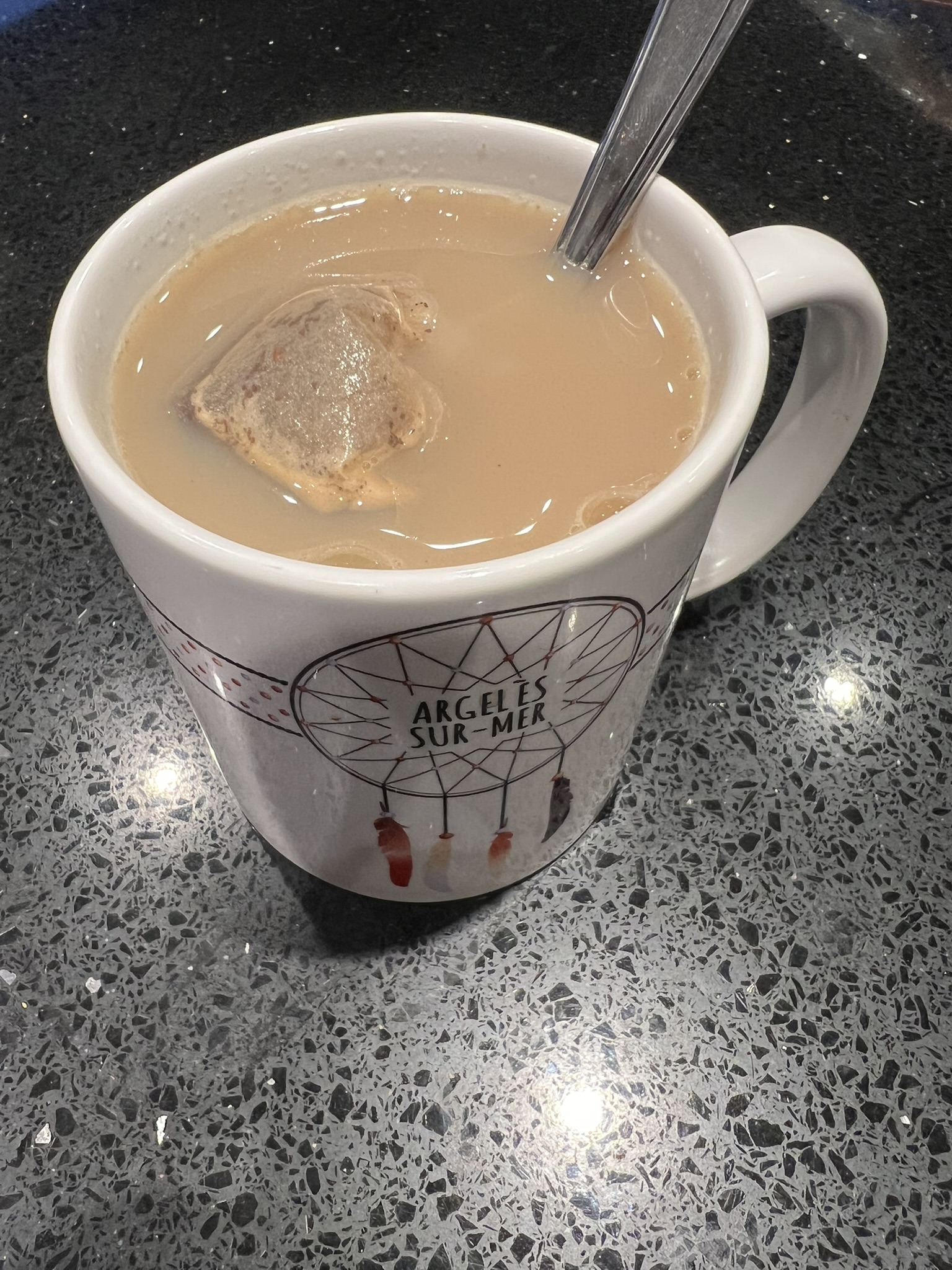
Tea as a Writing Tool: A Very Scientific Study
Every writer has a ritual. Some burn candles. Some listen to whale noises. Some summon the dark spirits of productivity. I, being a person of refinement and strong British constitution, rely on tea, a staple, a comfort, a crutch, and occasionally the sole reason I remain upright during revisions.
Tea is, of course, essential to the writing process. Not because it actually helps with productivity, oh no. Tea is helpful because it provides something to do while you are absolutely not writing. It is the perfect procrastination beverage. Need to avoid a difficult c hapter? Put the kettle on. Unsure if your plot twist is brilliant or deeply stupid? Make another brew. Wondering why you ever started writing in the first place? Two sugars.
People assume tea helps creativity. It does, indirectly, in the way that staring dramatically out of a window “thinking about your story” helps creativity. In reality, the act of making tea gives your brain a moment to wander, recalibrate, and occasionally find solutions to plot problems while you’re busy fishing for the biscuit tin.
There are also stages of writing, each with its proper tea:
• First Draft Tea: whatever is nearest, usually lukewarm
• Revision Tea: strong, dark, alarmingly caffeinated
• Crisis Tea: the “just leave the kettle boiling, I’m not done panicking” variety
• Victory Tea: enjoyed smugly, ideally with cake
Tea may not improve your writing directly, but it improves the writer, calming the nerves, providing comfort, and giving the illusion of progress even when the word count hasn’t budged in an hour.
So yes, tea is absolutely a writing tool. Maybe not one recognised by scientists, productivity gurus, or anyone with functional sleeping habits, but by writers everywhere. And that, frankly, is good enough.