

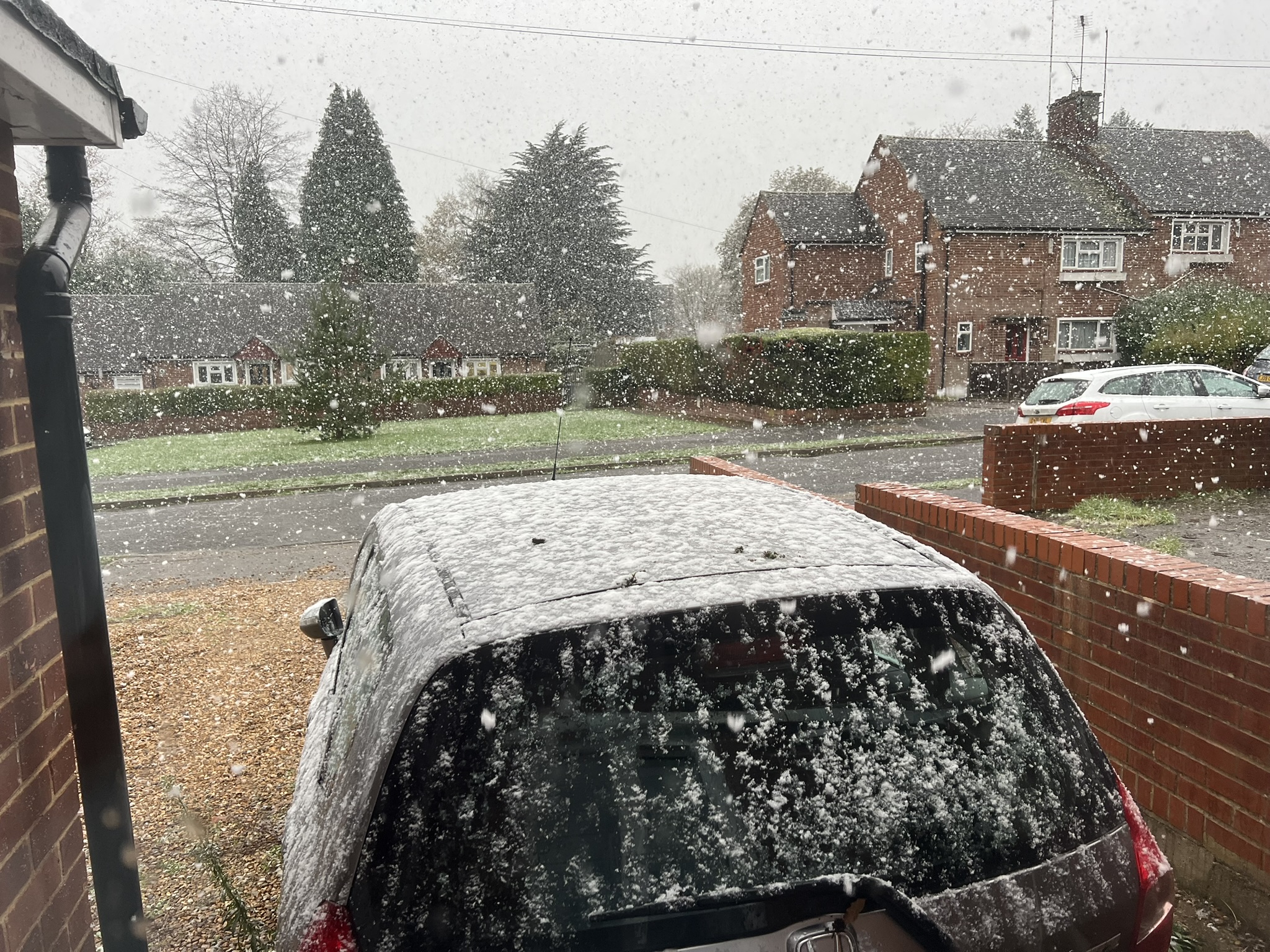
Writing Advice Is Like British Weather: Unpredictable, Contradictory and Occasionally Violent
The world of writing advice is vast, contradictory, and often delivered with the breezy confidence of someone explaining how to assemble flat-pack furniture armed only with optimism, a blunt spoon, and an IKEA instruction manual.
One author will insist you must outline every chapter in advance, preferably colour-coded. Another will assure you, solemnly and gravely, that outlines are the natural enemy of creativity and should be shunned like expired milk. A third proclaims that true writers rise at 5 a.m., chant affirmations, and perform interpretive yoga while the muse descends in a beam of celestial light.
In truth, writing advice is much like British weather: ever-changing, frequently unhelpful, and often accompanied by shouting from someone who claims to know what’s coming next but absolutely does not.
The uncomfortable but liberating reality is that no single method works for everyone. Some writers bloom under rigid structure and spreadsheets with the efficiency of a well-organised librarian. Others need the freedom to wander through their plot like a toddler unleashed in a garden centre, delighted, chaotic, and occasionally sticky. Some people swear by daily writing sessions; (I am not able to do that, but do try and i discuss it here.) Others create their best work in unpredictable, caffeine-fuelled bursts powered by panic, inspiration, and a packet of Hobnobs eaten at 2 a.m.
The key, really, is experimentation. Try outlining. Try discovery writing. Try dictation, fountain pens, index cards, or typing with a cat draped across your forearms (a surprisingly common technique, though rarely voluntary).
You can test writing in cafes, in silence, to music, or in that one chair that only becomes comfortable when you’re procrastinating. Eventually, through trial, error, and mild existential dread, you’ll discover the particular combination of habits, tools, and rituals that works for you. And that personal method which is tailored, hard-won, wonderfully idiosyncratic, is worth infinitely more than the most confident prescriptive advice found in a bestselling craft book.
And be especially wary of any guidance delivered with the implication that suffering is a prerequisite for good art. You don’t need to starve, brood, exile yourself to a drafty shed, or sacrifice your sanity on the altar of literary greatness. You need persistence. You need curiosity. You need the willingness to write even when it’s inconvenient, unglamorous, or slightly embarrassing.
But you do not need to torment yourself for the sake of a novel. Plenty of fine writers have produced brilliant work while warm, fed, and wearing comfortable socks.
In the end, writing advice should be approached like an overenthusiastic weather report: interesting, occasionally useful, but best taken with a pinch of salt. And maybe a sturdy umbrella. Just in case.
All that being said, here are a few books that I found quite interesting.